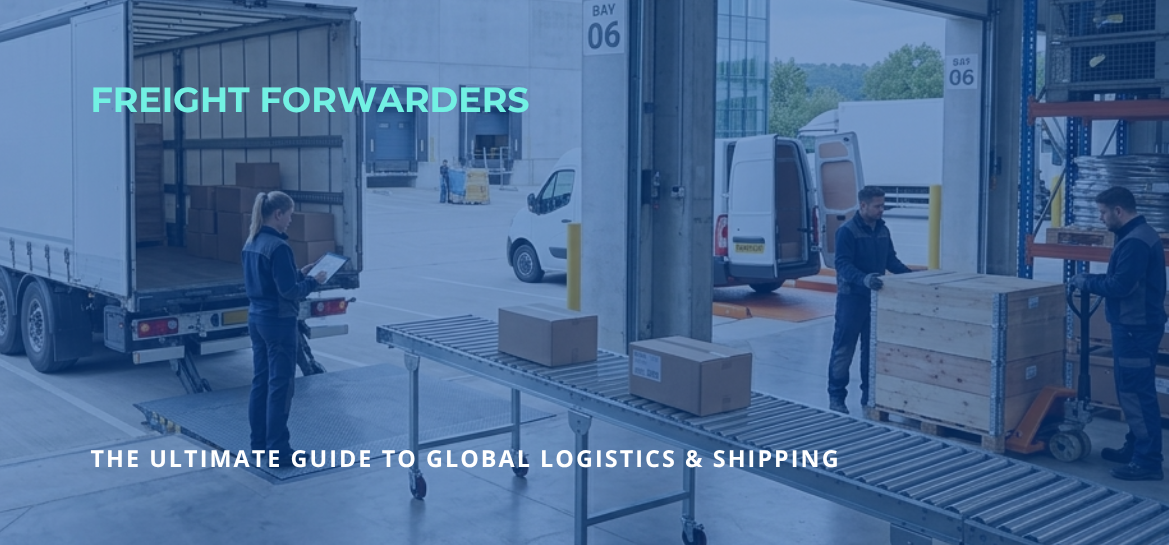
What Is a Freight Forwarder and What Do They Do?
A freight forwarder is a company or individual that arranges the shipment of goods for businesses or individuals.
Their role is to coordinate logistics, support compliance with international shipping regulations and optimize routes for more cost-effective shipping.
In this article, we cover the following points:
- What a freight forwarder is
- What freight forwarders do
- How freight forwarding works
- Types of freight forwarders
- Benefits and challenges
- Differences between freight forwarders and 3PL providers
- How to choose the right freight forwarder
- Freight forwarding costs
- Required documentation
- Technology and future trends in freight forwarding
Why Are Freight Forwarders Important?
Global trade depends on efficient supply chains.
Freight forwarders help reduce shipping complexity by managing key processes such as:
- Customs clearance
- Documentation
- Transport coordination
- Route optimization
- Shipment consolidation
- Communication with carriers and logistics partners
In other words, they act as a central point of coordination between the different parties involved in international and domestic shipping.
Key Functions of a Freight Forwarder
The main functions of a freight forwarder include:
- Logistics coordination: arranging transport across carriers.
- Customs brokerage: meeting import and export regulations.
- Warehousing and storage: managing inventory around shipment.
- Cargo insurance: protecting goods from loss or damage.
- Route optimization: finding efficient shipping pathways.
What Does a Freight Forwarder Do?
A freight forwarder acts as an intermediary between shippers and carriers.
They typically manage tasks such as:
- Booking cargo space with shipping lines or airlines.
- Preparing shipping documents, including Bills of Lading and commercial invoices.
- Negotiating freight rates.
- Managing customs clearance and compliance.
- Coordinating air, sea, road or rail transportation.
- Consolidating shipments.
- Providing cargo tracking when needed.
How Freight Forwarding Works
Freight forwarding follows a coordinated process designed to move goods from origin to destination efficiently and compliantly.
Step-by-Step Process
The freight forwarding process usually includes:
- Receiving goods from the supplier.
- Packaging and labeling according to international standards.
- Preparing documents for customs and carriers.
- Selecting the best route based on cost and speed.
- Coordinating transport by truck, air or sea.
- Handling customs clearance and duties.
- Delivering to the consignee.
Key Supply Chain Involvement
Freight forwarders work with several parties across the supply chain, including:
- Shippers
- Carriers
- Customs authorities
- Warehousing facilities
- Insurance providers
Their goal is to move goods efficiently, safely and in compliance with applicable requirements.
Types of Freight Forwarders
Freight forwarders may specialize in different transport modes depending on the type of cargo, destination and delivery requirements.
Air Freight Forwarders
Air freight forwarders specialize in expedited international deliveries via air cargo.
They are commonly used for:
- Time-sensitive shipments
- High-priority goods
- Temperature-controlled shipments
Sea Freight Forwarders
Sea freight forwarders handle bulk and containerized ocean transport.
Their services may include:
- FCL shipments
- LCL shipments
- Port documentation
- Shipping line coordination
Rail Freight Forwarders
Rail freight forwarders focus on land-based heavy cargo via rail networks.
They are involved in:
- Intermodal transfers
- Bulk commodities
- Inland transportation
- Heavy cargo movement
Road Freight Forwarders
Road freight forwarders manage domestic and cross-border trucking.
Their work may include:
- Last-mile delivery
- Regulatory coordination
- Specialized equipment
- Route optimization
Benefits of Using a Freight Forwarder
Using a freight forwarder can help businesses simplify shipping operations and reduce risks in the supply chain.
Cost Savings
Freight forwarders can support cost savings through:
- Better carrier rates.
- Shipment consolidation.
- Optimized routes that reduce delays and related fees.
Streamlined Logistics
A freight forwarder gives businesses one point of contact for the shipping process.
They can also manage:
- Customs
- Paperwork
- Compliance
- Tracking
- Reporting
Access to Global Networks
Freight forwarders often have established relationships with:
- Carriers
- Local agents
- Warehousing networks
- Partners in key markets
This can also help identify alternative routes during disruptions.
Risk Management
Freight forwarders can support risk management through:
- Cargo protection options.
- Compliance expertise.
- Contingency planning.
- Documentation checks to prevent delays.
Challenges in Freight Forwarding
Freight forwarding also involves several operational and regulatory challenges.
Shipping Delays and Disruptions
Common causes of shipping delays include:
- Port congestion
- Capacity constraints
- Weather interruptions
- Labor shortages
- Strikes
- Equipment shortages
- Container imbalances
Regulatory Compliance Risks
International shipping involves different and changing import and export rules by country.
Compliance risks may include:
- Trade sanctions
- Restricted commodities
- Inspections
- Security regulations
Rising Freight Costs
Freight costs can increase due to:
- Fuel price fluctuations
- Limited capacity
- Peak-season surcharges
- Special handling fees
- Exchange rate changes
Technology Integration
Technology adoption across logistics partners is not always consistent.
Key challenges include:
- Uneven digital adoption.
- Lack of data standardization.
- Cybersecurity concerns.
- Investment costs for new systems.
Freight Forwarders vs. 3PL Providers
Freight forwarders and 3PL providers are both logistics partners, but they do not usually cover the same scope.
FeatureFreight Forwarders3PLPrimary focusShipment coordinationEnd-to-end logistics solutionsCore servicesCustoms, booking, transportationWarehousing, inventory, fulfillmentIdeal forInternational shippingComplete supply chain managementGeographical scopeGlobal transportationOften more regional in operationsAsset ownershipTypically non-asset basedMay own warehouses or trucksContract lengthOften shipment-by-shipmentTypically longer-term contractsTechnology focusShipment tracking and documentationInventory management and fulfillmentCost structureTransaction-basedOften fixed and variable costs
How to Choose the Right Freight Forwarder
Choosing the right freight forwarder is key to improving shipping reliability and reducing operational complexity.
Factors to Consider
Before hiring a freight forwarder, consider the following:
- Industry experience: expertise in your industry and cargo type.
- Network of partners: global presence for smoother operations and better rates.
- Transparency in pricing: clear cost breakdown without hidden fees.
- Technology and tracking: real-time shipment visibility.
- Financial stability: capacity to handle shipments reliably.
- Compliance expertise: knowledge of regulations for your routes and commodities.
- Service Level Agreements: clear metrics and accountability.
Questions to Ask Before Hiring
Useful questions include:
- What routes and modes do you specialize in?
- Do you offer customs brokerage in my target markets?
- What is your pricing structure and which extra fees may apply?
- How do you handle cargo insurance and claims?
- What tracking capabilities do you offer?
- Can you provide references from my industry?
- How do you manage delays or disruptions?
- What is your customs clearance process?
Freight Forwarding Costs: What to Expect
Freight forwarding costs depend on several components, including transport mode, customs, handling and documentation.
Cost componentDescriptionTypical rangeFreight chargesTransport by air, sea or land40-60% of total costCustoms dutiesImport/export taxesVaries by country and commodityHandling feesCargo processing and storage5-15% of total costDocumentation feesShipping paperwork$50-$200 per shipmentInsuranceLoss or damage coverage0.3-0.5% of cargo valueFuel surchargesFuel-based fees5-20% of base freight rateTerminal handling chargesLoading/unloading at terminals$100-$500 per containerDemurrage and detentionExtended container use$50-$300 per day after free time
Required Documents for Freight Forwarding
Freight forwarding requires accurate documentation to support customs, transport and cargo handling.
Bill of Lading
A Bill of Lading is:
- The contract between shipper and carrier.
- The receipt for transported goods.
- A document of title.
- Evidence of shipping terms.
Commercial Invoice
The commercial invoice details the goods shipped, including:
It is used for customs valuation and duty assessment.
Packing List
The packing list describes:
- Package contents
- Dimensions
- Weight
- Packaging details
It helps with customs inspection and cargo handling.
Additional Documentation
Other documents may include:
- Certificate of Origin
- Dangerous Goods Declaration
- Inspection Certificate
- Import/Export Licenses
- Insurance Certificate
Technology and Digital Transformation in Freight Forwarding
Technology is changing how freight forwarders manage documentation, visibility and operational efficiency.
AI and Automation
AI can support:
- Route optimization
- Automated documentation
- Predictive analytics
- Customer service tools
Real-Time Tracking
Real-time tracking improves shipment visibility through:
- GPS
- IoT devices
- Mobile apps
- Environmental monitoring
- Alerts
Freight Management Software
Freight management software centralizes key processes such as:
- Shipment visibility
- Electronic documentation
- Customs integration
- Rate management
- Quotations
- Reporting
Emerging Technologies
Emerging technologies in freight forwarding include:
- Blockchain
- APIs
- Machine learning
- Robotic process automation
These technologies are improving documentation, integration, forecasting and repetitive tasks.
Top Freight Forwarders in the World
Several global freight forwarders operate across international markets and transport modes.
DHL Global Forwarding
Strengths:
- Extensive global network
- Integrated solutions
Specialization:
- Air freight
- Automotive logistics
- Life sciences
Kuehne + Nagel
Strengths:
- Sea freight leadership
- Digital innovation
Specialization:
- Consumer goods
- Pharmaceutical logistics
- Aerospace
DB Schenker
Strengths:
- European coverage
- Rail expertise
Specialization:
- Industrial manufacturing
- Automotive
- Electronics
Expeditors International
Strengths:
- Customs brokerage
- North American market
Specialization:
- Retail logistics
- Healthcare
- Technology
DSV Panalpina
Strengths:
- Comprehensive service offering
- Recent expansion
Specialization:
- Energy sector
- Project cargo
- Perishables
Regional Specialists
Mid-sized, local and niche freight forwarders can also be valuable for:
- Specific trade lanes
- Challenging markets
- Specialized cargo
Future Trends in Freight Forwarding
Freight forwarding continues to evolve through sustainability, data, automation and digital platforms.
Green Logistics
Green logistics includes:
- Carbon tracking
- Alternative fuels
- Electric vehicles
- Sustainable packaging
- Carbon offsets
- Environmental compliance
Blockchain in Supply Chains
Blockchain can support:
- Smart contracts
- Secure documentation
- Supply chain transparency
- Fraud reduction
- Streamlined customs clearance
Predictive Analytics
Predictive analytics helps with:
- Capacity planning
- Disruption mitigation
- Dynamic pricing
- Inventory optimization
- Personalized services
Digital Freight Platforms
Digital freight platforms offer:
- Online booking
- Instant quotes
- Freight matching
- Fewer intermediaries
- Better data sharing
Frequently Asked Questions About Freight Forwarders
Is a freight forwarder necessary for international shipping?
A freight forwarder is not legally required for international shipping.
However, freight forwarders can simplify complex shipping, support customs compliance and help reduce costs through expertise and carrier relationships.
How do freight forwarders calculate costs?
Freight forwarders calculate costs based on shipment weight, volume and destination.