Unlocking Efficiency in Transportation Management
Transportation management is the backbone of logistics and supply chain operations.
It covers the planning, execution and optimization of goods movement to meet customer demands efficiently and cost-effectively.
However, managing transportation remains a major challenge for many businesses. Without the right tools and processes, companies can face rising costs, delayed deliveries, limited visibility and lower customer satisfaction.
What’s at Stake Without Proper Transportation Management?
When transportation is poorly managed, the impact affects the entire organization.
Key risks include:
- Rising costs: inefficient routing and poor resource use increase operational expenses.
- Delayed deliveries: missed timelines damage customer satisfaction and business relationships.
- Environmental impact: poor planning increases fuel consumption and emissions.
- Lost competitive edge: inefficiencies allow faster competitors to gain market share.
The Main Pain Points in Transportation Management
Transportation management involves many moving parts. When these are not properly coordinated, operations become slower, more expensive and harder to control.
Complex Routing and Scheduling
Balancing delivery windows, traffic conditions and vehicle availability can create inefficiencies and increase costs.
Limited Visibility
Without real-time tracking, managers struggle to monitor shipments, anticipate delays and resolve issues proactively.
Rising Fuel Costs
Fuel is one of the largest transportation expenses.
Poor route optimization can increase unnecessary mileage and make this cost even harder to control.
Compliance Challenges
Maintaining regulatory compliance while staying efficient requires constant monitoring and accurate reporting.
Customer Expectations
Customers now expect:
- Precise delivery windows
- Real-time updates
- Reliable execution
- Clear communication
Meeting these expectations requires better visibility and stronger operational control.
Solutions for Effective Transportation Management
The right strategies and tools help companies overcome these challenges and improve logistics performance.
Advanced Route Optimization
Route optimization algorithms calculate efficient routes to help companies:
- Save time
- Reduce costs
- Lower fuel consumption
- Improve delivery reliability
Real-Time Tracking and Visibility
Live information improves transparency for both managers and customers.
It also helps teams react faster when delays, route changes or operational issues appear.
Automation of Processes
Automating dispatching, scheduling and compliance checks reduces manual errors and increases efficiency.
This gives managers more time to focus on strategic tasks instead of repetitive planning.
Integrated Data Analytics
Transportation data helps companies identify bottlenecks, measure performance and guide strategic decisions.
With better data, logistics teams can move from reactive management to proactive improvement.
Sustainability Initiatives
Optimized transportation operations can reduce carbon footprint and support environmental goals.
This is increasingly important for companies that want to improve efficiency while meeting sustainability expectations.
How CADIS Transforms Transportation Management
CADIS provides tools designed to solve transportation management challenges and deliver measurable business results.
Its features help companies improve visibility, reduce costs and manage logistics operations with greater control.
Key Features of CADIS
CADIS supports transportation management through:
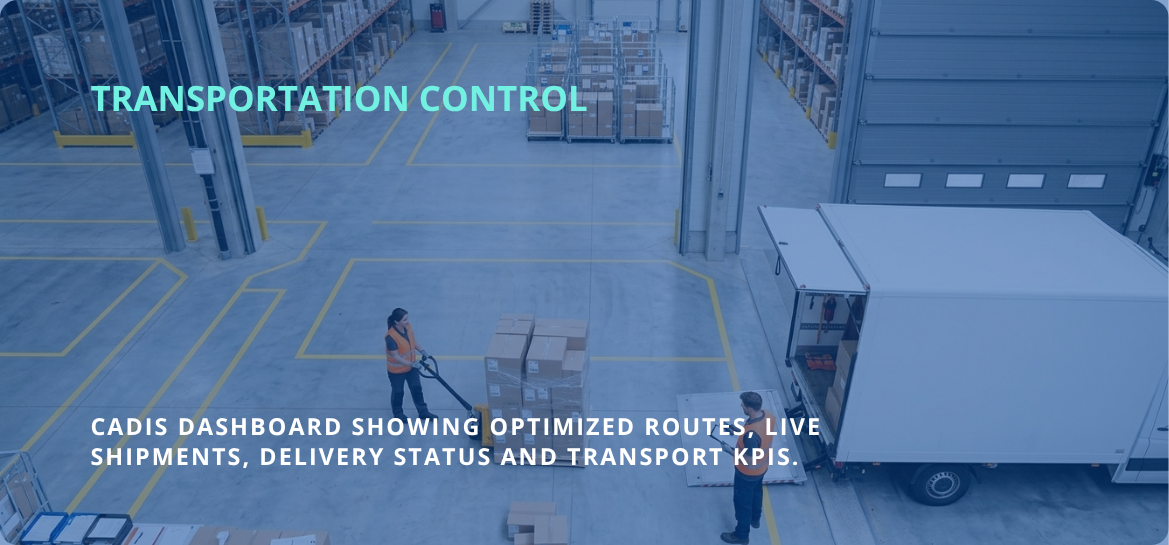
- End-to-end visibility: monitor shipments in real time through dashboards with actionable insights.
- Advanced route planning: algorithms help each delivery follow an efficient path, reducing delays and fuel costs.
- Compliance support: automated checks and reporting help keep operations aligned with regulations.
- Scalability: CADIS grows with your business and adapts to evolving transportation needs.
Results You Can Expect
With CADIS, companies can improve operational performance across several areas.
Key expected results include:
- Cost savings: businesses using CADIS report up to 15% reductions in transportation costs.
- Improved customer satisfaction: real-time updates and reliable deliveries increase trust and loyalty.
- Operational efficiency: automation gives managers more time to focus on strategic tasks.
Conclusion: The Future of Transportation Management
Efficient transportation management is no longer only a necessity.
It is a competitive advantage.
With advanced tools like CADIS, businesses can reduce costs, improve visibility and deliver better service.
By combining route optimization, real-time tracking, automation and data analytics, companies can create more efficient, scalable and sustainable transportation operations.
Ready to Revolutionize Your Transportation Management?
Contact CADIS today to learn how we can support your logistics goals.
Schedule a Demo | Contact Us
Let CADIS empower your transportation operations and ensure efficiency, compliance and customer satisfaction.