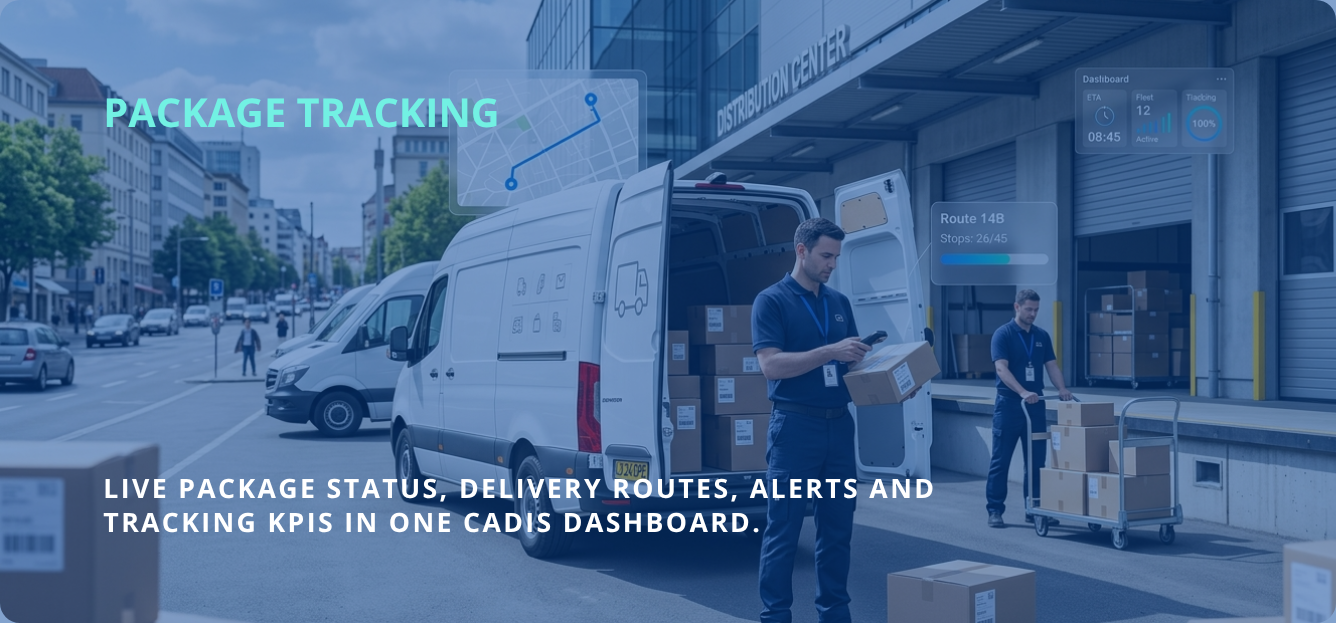
Package Tracking: Essential Tips to Improve Logistics Efficiency
Package tracking is one of the most critical processes in modern logistics. It determines whether a shipment reaches its destination on time, in good condition, and with full visibility for everyone involved.
For logistics managers, an efficient package tracking system reduces errors, increases productivity, and enables faster, data-driven decisions. Supply chain directors gain end-to-end visibility, while logistics executives can rely on tracking data to support growth and innovation.
This guide walks through the most effective ways to strengthen package tracking and build logistics operations that are efficient, resilient, and centered on the customer experience.
Why Package Tracking Matters in Modern Logistics
A strong package tracking system does more than confirm a shipment's location. It increases supply chain transparency, supports on-time delivery, and improves customer satisfaction. By providing real-time updates to dispatchers, customers, and other stakeholders, reliable tracking significantly reduces failed deliveries and last-minute disruptions.
Companies that invest in package tracking benefit from: greater supply chain transparency, stronger customer communication, and fewer manual planning errors. Tracking systems also help logistics teams respond quickly to market changes, maintain consistency across branches, and build lasting customer trust in a highly competitive industry.
Key Features of Advanced Package Tracking Systems
Advanced package tracking systems go far beyond basic location updates. They integrate with existing logistics frameworks, automate key processes, and help operations stay flexible and responsive. When evaluating a platform, look for real-time tracking and status updates, seamless connectivity with current systems, automated alerts for delivery issues, and customizable reporting features.
Automation allows dispatchers to manage higher package volumes with less manual intervention, while supporting more consistent execution across every stage of the delivery process.
Custom Reports and Operational Insights
Reliable package tracking platforms generate customizable reports that turn raw data into actionable insights, helping teams identify inefficiencies, detect recurring problems, and take corrective action faster. These systems also improve communication and tracking accuracy by keeping warehouse teams, delivery staff, and managers aligned around the same real-time data.
How to Integrate Package Tracking Into Your Logistics Processes
Integrating package tracking into daily operations increases efficiency, connects workflows, and improves real-time communication across the supply chain. This reduces dependence on manual documentation, streamlines operations from warehouse to final delivery, and supports more consistent execution overall.
To integrate a package tracking system successfully: review your current logistics framework, choose tracking software that fits your operational needs, train your team on the new system, and establish clear communication channels between departments. Selecting a solution that aligns with your existing setup minimizes disruption, while proper staff training ensures the tools are used correctly from day one.
Reducing Manual Labor and Increasing Consistency
Manual package handling is one of the most common sources of errors and inconsistency in logistics. Package tracking systems solve this by automating routine tasks, reducing manual data entry, and standardizing processes across the organization, resulting in fewer human errors, greater consistency in data documentation, faster processing speeds, and more time for strategic, high-value tasks.
Real-Time Alerts and Communication
Real-time alerts are a cornerstone of proactive logistics management, helping teams respond quickly to unexpected issues during delivery. An efficient package tracking system delivers live updates so managers can react faster to delays, interruptions, or route problems, while keeping every team member informed and aligned.
Key benefits include immediate notification of delivery issues, faster handling of unexpected delays, better coordination between logistics teams, and increased operational transparency. For customers, real-time visibility builds trust because they can check their package status at any moment.
- Immediate notification of delivery problems
- Faster handling of unexpected delays
- Better coordination between logistics teams
- Increased operational transparency
Timely alerts also improve contingency planning.
Issues such as traffic or mechanical problems can be managed more effectively.
Real-time updates also increase customer trust because customers can track package status at all times.
Using Data: Performance Monitoring and KPIs
Data-driven decision-making is a defining trait of modern logistics operations. Package tracking systems generate valuable metrics that reveal operational strengths and weaknesses, helping managers remove bottlenecks and refine processes. Key KPIs to monitor include on-time delivery rate, average delivery duration, failed delivery frequency, and real-time location tracking accuracy.
Important KPIs for package tracking include:
- On-time delivery rates
- Average delivery duration
- Failed delivery frequency
- Real-time location tracking accuracy
Monitoring these KPIs supports cost control and resource optimization.
Managers can detect trends earlier and make better decisions.
A data-focused approach also improves transparency and accountability. It supports continuous improvement and helps logistics teams maintain strong service standards.
Building Scalability and Adaptability Into Package Tracking
Scalability is essential in today’s logistics environment.
Package tracking systems must adapt to changing business needs.
Scalable solutions grow with the company and support higher volumes without reducing efficiency. Flexibility helps operations remain stable despite market changes.
Qualities to look for include:
- Flexible integration options
- Support for multiple depots
- Cross-border capabilities
- Multilingual interfaces
These features make package tracking systems more resilient.
They support consistent service even when supply chain requirements change.
Flexible systems also allow teams to adjust operations using real-time data. This helps maintain service quality and prepare for future growth.
Improving Customer Satisfaction with Package Tracking
On-time and reliable deliveries are essential for customer satisfaction.
Efficient package tracking helps companies achieve both.
Real-time tracking reduces customer inquiries and increases confidence in delivery reliability.
Important advantages include:
- Precise delivery time estimates
- Fewer delivery mistakes
- Real-time parcel status updates
These features improve the customer experience and encourage loyalty.
When customers trust your service, they are more likely to return.
Proactively addressing delivery issues also protects brand reputation and strengthens customer relationships.
Sustainability and Social Responsibility in Package Tracking
Sustainability is increasingly important in logistics.
Package tracking helps reduce environmental impact by improving route efficiency.
Advanced tracking systems can reduce fuel consumption by optimizing routes and using resources more effectively.
Package tracking supports social responsibility through:
- Environmentally friendly methods
- Less unnecessary travel
- More efficient delivery operations
These practices show a commitment to responsible logistics.
Prioritizing sustainability in package tracking benefits the environment and strengthens the company’s reputation.
How to Choose the Right Package Tracking System
The best package tracking solution depends on your specific operational needs. When comparing options, prioritize interoperability with your current systems, real-time tracking capabilities, usability and customization options, and scalability to support future growth.
When evaluating solutions, consider scalability and integration capabilities. These factors support future growth and smoother system alignment.
Key factors include:
- Interoperability with current systems
- Real-time tracking features
- Usability and customization options
The solution should match your operational objectives.
Choosing the right system can significantly improve logistics efficiency and support daily operations.
Frequently Asked Questions About Package Tracking
What is package tracking in logistics?
It's the process of monitoring a shipment's location and status in real time, from pickup to final delivery, using GPS, scanning, and software integrations.
How does real-time package tracking improve customer satisfaction? It gives customers accurate delivery estimates and instant status updates, reducing support inquiries and building trust.
What features should I look for in a package tracking system?
Real-time updates, automated alerts, customizable reporting, scalability, and easy integration with your existing logistics software.
Conclusion: Strengthening Logistics with Efficient Package Tracking
Efficient package tracking is a core part of modern logistics.
It improves both operational performance and customer experience.
Real-time insights and intelligent automation reduce manual labor, improve productivity and minimize errors.
Package tracking also supports strategic planning by turning logistics data into useful information.
By adopting the right solution, companies can meet current logistics needs while preparing for future growth.