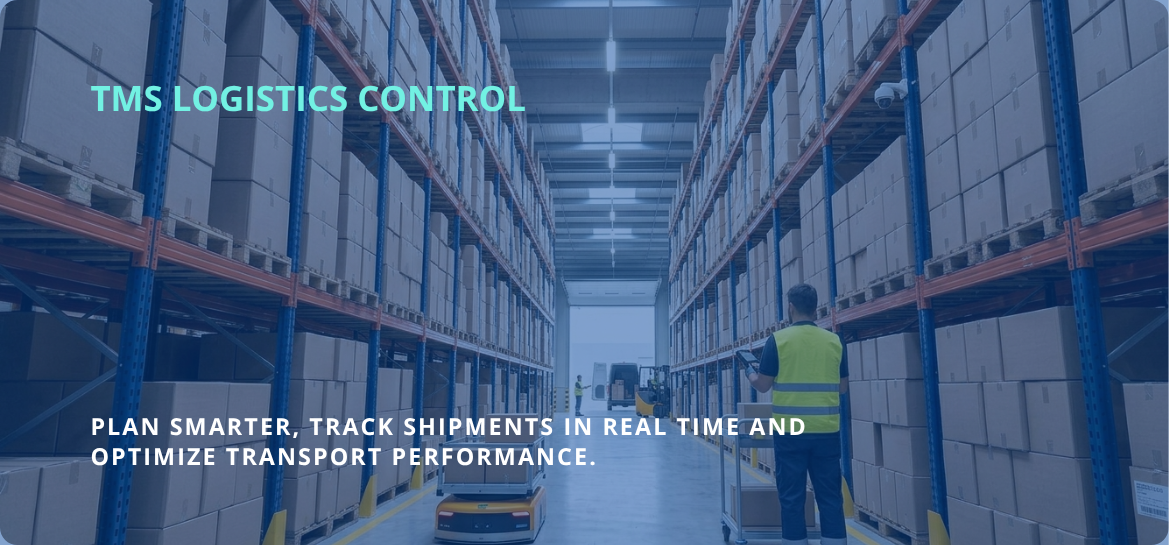
Using TMS Logistics Software to Increase Efficiency
Maximizing efficiency has evolved from a goal to a necessity in the complex and constantly changing field of logistics.
The introduction of Transportation Management System (TMS) logistics software marks a significant step towards digital transformation in supply chain operations.
TMS logistics software helps companies improve transportation management, increase visibility and gain a competitive edge in the logistics sector.
What Is TMS Logistics Software?
A Transportation Management System (TMS) is a type of supply chain management software focused on planning, executing and optimizing the physical movement of goods.
Its purpose is to:
- Improve supply chain visibility
- Manage and optimize transportation operations
- Support data-driven decision-making
- Reduce manual work and inconsistencies
- Increase operational efficiency
Key Features of TMS Logistics Software
TMS logistics software includes several features that contribute to more efficient operations.
These include:
- Route optimization: determining the most effective delivery routes.
- Freight auditing and payment: automating payment and audit processes.
- Carrier management: simplifying carrier relationships and selection.
- Real-time tracking: providing information about shipment location and status.
- Reporting and analytics: identifying operational bottlenecks and performance indicators.
Together, these capabilities help logistics teams improve planning, execution and control.
Reducing Manual Planning and Operational Errors
One of the main challenges for logistics managers is that planning is often manual and time-consuming.
TMS logistics software automates and streamlines these procedures, reducing planning time and eliminating inconsistencies.
This allows logistics managers to focus on strategic initiatives instead of getting stuck in operational details.
By automating loading and dispatching processes, TMS software also helps reduce human error and supports on-time deliveries.
This improves service quality and lowers the risk of failed deliveries caused by improper loading or sequencing.
Real-Time Communication Across the Supply Chain
A major benefit of TMS logistics software is its ability to enable real-time communication between different supply chain roles.
This ensures that all parties have access to updated information and can make informed decisions quickly.
Real-time communication improves:
- Coordination between teams
- Response times
- Shipment visibility
- Operational control
- Decision-making
Integrated Workflows for Better Efficiency
Manual handovers and disconnected processes are major obstacles for logistics and transportation companies.
TMS logistics software combines loading, dispatching and delivery procedures into a single platform.
This improves operational efficiency and creates greater consistency across several locations or depots.
For CEOs and logistics executives, this integrated approach supports more scalable and controlled operations.
Scalability for Growing Logistics Operations
As market demands fluctuate, supply chain directors need scalable solutions that can adapt quickly.
TMS logistics software provides a scalable SaaS architecture that supports:
- Multi-site environments
- Multilingual operations
- Growing logistics networks
- Changing business demands
This allows logistics operations to grow in line with company needs while maintaining efficiency and control.
Real-Time Dashboards and KPI Monitoring
For executives, the lack of real-time insights can be a barrier to agile decision-making.
TMS logistics software provides dashboards and KPI monitoring that give instant visibility into operational performance.
These insights help executives:
- Track performance indicators
- Identify bottlenecks
- Make data-driven decisions
- Improve strategic planning
- React faster to operational changes
Supporting Sustainability and Ethical Logistics
Integrating ecological responsibilities into logistics operations is essential in today’s environmentally conscious environment.
TMS logistics software can support sustainability initiatives by optimizing routes to lower emissions and reduce fuel consumption.
Ethical issues are also important in logistics.
By helping companies comply with industry standards and regulations, TMS software supports more transparent and responsible business practices.
Conclusion: A Competitive Advantage for Logistics Companies
TMS logistics software gives the logistics industry a competitive edge by optimizing productivity, improving visibility and supporting growth.
By addressing key pain points and incorporating ethical and sustainable practices, it empowers logistics managers, supply chain directors and CEOs to drive innovation across their operations.
As the logistics sector continues to evolve, investing in strong TMS logistics software is essential for maintaining competitiveness and achieving long-term success.